Making Progress in Cancún

December 2010

Read full brief (pdf)

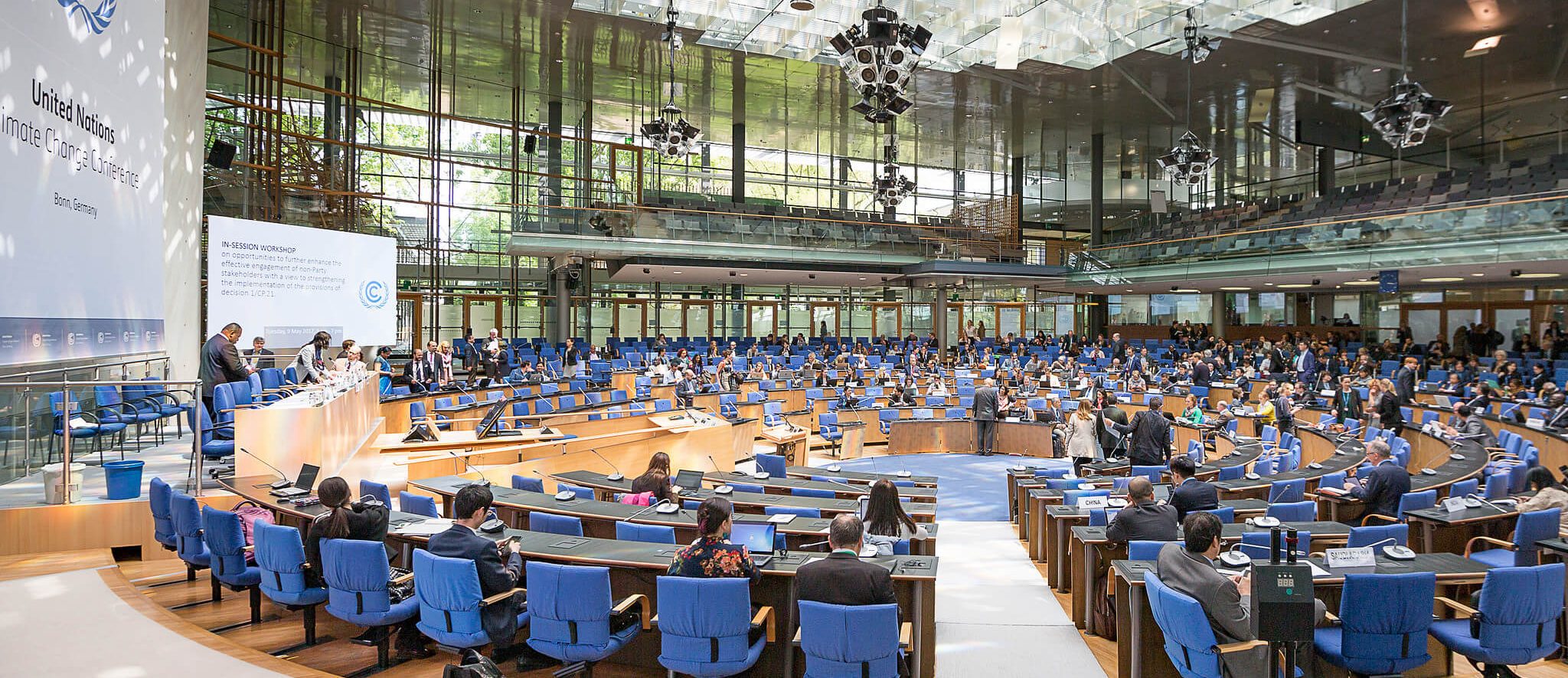
The United Nations Climate Change Conference in Cancún is an opportunity for concrete progress in the international climate change effort. Key elements of success in Cancún include: 1) operational decisions improving the transparency of countries’ actions, and strengthening support for mitigation and adaptation in developing countries; and 2) a clear declaration by parties that their longer-term aim is a legally binding outcome. A Cancún agreement also should reflect individual country pledges and incorporate the temperature and finance goals of the Copenhagen Accord.
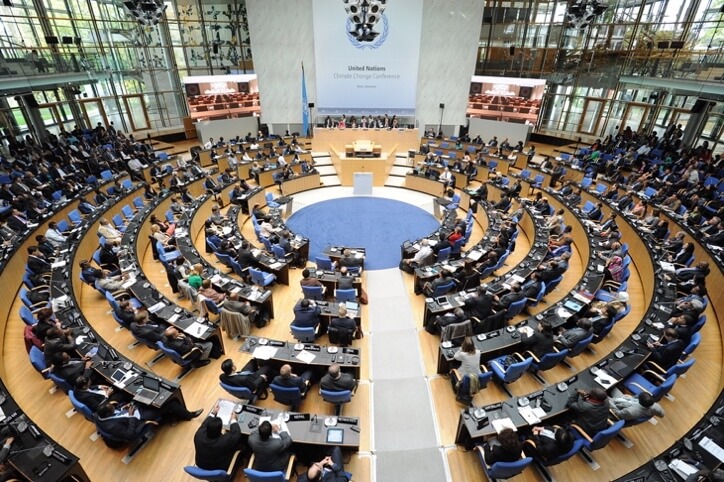
One year after the Copenhagen climate summit, parties to the U.N. Framework Convention on Climate Change (UNFCCC) face immediate decisions on strengthening key aspects of the multilateral climate system, and issues concerning the future direction of the international effort.

Copenhagen did not produce a legally binding outcome, as many had hoped. The Copenhagen Accord is a political agreement, which most countries have since joined, but which has no formal standing under the UNFCCC. In Cancún, the aim is not a legally binding outcome, but a “balanced package of decisions.” A well-crafted package can deliver tangible progress in the near term despite stalemate over longer-term legal issues. It can effectively open a new phase in the evolution of the climate regime: taking steps to incrementally strengthen key elements of the international architecture, while working toward the goal of a new legally binding outcome.

Key Operational Decisions
Strengthening UNFCCC mechanisms would promote stronger action in the near term, build parties’ confidence, and create a stronger foundation for a future legally binding outcome. Parties can build on both the Bali Action Plan and the Copenhagen Accord with decisions settling fundamental issues in key areas and launching work programs to elaborate the details. Priorities are:

Improving Transparency. Greater transparency around countries’ mitigation actions—and support for developing countries—will strengthen confidence among parties and in the climate regime. An enhanced measurement, reporting and verification (MRV) system should include:

  • Annual greenhouse gas inventories (phased in for developing countries); national communications every four years with improved reporting of policy actions and outcomes and of support provided or received; and biennial reports on implementation and support (with support for capacity building in all three cases, and longer reporting cycles for least developed countries).
  • Expert review of all reporting inputs for accuracy, completeness and consistency with UNFCCC guidelines.
  • A new system for peer review of mitigation actions: an in-session interactive dialogue, based on expert and party inputs, with public release of inputs and proceedings, and facilitative consequences.

Supporting Mitigation and Adaptation in Developing Countries. A stronger support system should include:

  • Finance—A new multilateral climate fund with an independent board under the guidance of the UNFCCC Conference of the Parties (COP); a new finance body to advise the COP and promote coordination among funding institutions; and a registry to link finance to mitigation actions.
  • Adaptation—A new adaptation framework to support adaptation planning and implementation in developing countries.
  • Forestry—A new REDD+ mechanism to build capacity within developing countries to reduce deforestation and emissions from other land use activities.
  • Technology—A new technology body to advise the COP on technology-related issues; and a climate technology center and network.

Aiming for a Legally Binding Outcome

Most parties voice support for the goal of new legally binding commitments, but they remain far apart on the specific form and timing of such an outcome. While some want it to bind all major economies, many among that group disagree; while some favor new targets under the Kyoto Protocol with a parallel agreement under the UNFCCC, others prefer a single comprehensive agreement. These differences cannot be bridged in Cancún. Parties should affirmatively declare their intent to work toward a binding outcome, while leaving open all options on specific legal form, including new commitments under Kyoto.

Additional Goals and Pledges

Decisions in Cancun also should:

  • Adopt the long-term goal of holding the increase in average global temperature below 2 degrees Celsius, with periodic reviews of that goal beginning in 2015;
  • Incorporate the Copenhagen Accord goals of $30 billion in fast-start finance for developing countries in 2010-2012, and $100 billion a year in public and private finance by 2020; and
  • Anchor individual country pledges (emission targets for developed countries, and mitigation actions for developing countries) like those in the Copenhagen Accord.

Other Center resources: